Sometimes, the smallest opportunity can make someone feel a little more a part of the world around them.
There is something beautiful about the way the festive season brings people together. Across India, people are preparing to celebrate, looking forward to familiar traditions, spending time with loved ones and finding happiness in the little things. Everyone seems to have something to look forward to, a part to play, or a memory they hope to make.
Amid all this excitement, I have found myself thinking about the neurodivergent individuals and young adults I work with, and the many ways they, too, can experience the joy of this season. Not necessarily through the same activities or in the same ways as everyone else, but through opportunities to participate, make choices, share experiences and feel that they are part of something meaningful.
Working with them has made me appreciate how much significance can lie in moments we might otherwise overlook. Being invited to help with something, having an idea listened to, being trusted with a responsibility or simply being given the time to try can make an experience feel different. These moments may seem small from the outside, yet they can offer something important: the feeling that your presence matters and that you have something to contribute.
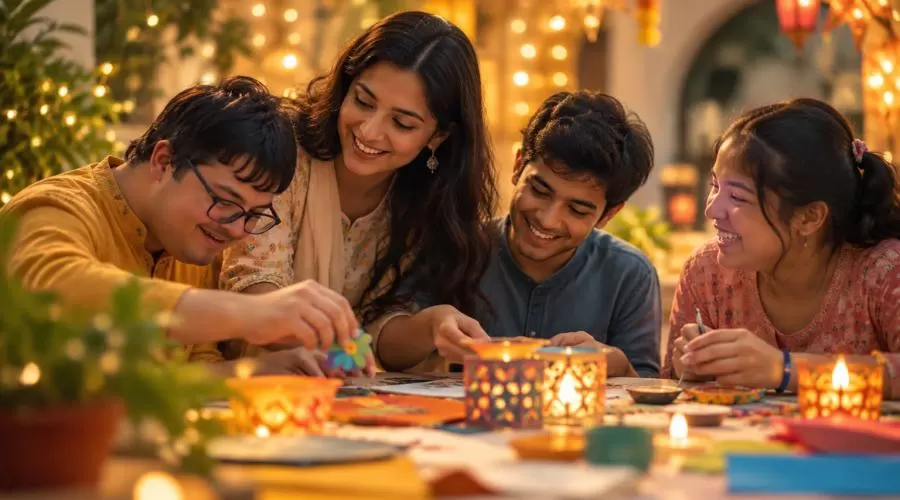
I think about the happiness that can come from being involved in preparations, learning something new, spending time with others or sharing something you have worked hard on. For some, it might be creating handmade items that find a place at a festive stall. For others, it might be taking part in a group activity, helping organise something or discovering a new interest. The opportunities may look different, but each can open a door to confidence, connection and a sense of accomplishment.
And this is what I keep coming back to: it is not always about what someone does; sometimes, it is about being given the chance to do it.
An opportunity can offer so much more than the activity itself. It can allow someone to make decisions, express their preferences, practise a skill or discover that they are capable of something they have not tried before. It can also give them the pleasure of contributing to a shared experience rather than simply watching it unfold around them.
As a psychologist, I find these moments meaningful because they remind me to look beyond what is immediately visible. Every individual has interests, abilities, hopes and ways of engaging with the world that deserve to be understood. Neurodivergent individuals are not defined by the support they need or by the activities they take part in. They are people with their own personalities, aspirations and preferences, and they deserve opportunities to explore these in ways that feel right for them.
This also makes me think about how we understand independence. We often imagine it as doing everything alone, when sometimes it begins with something as simple as making a choice or being trusted with a responsibility. The right support does not take away from independence; it can make independence more possible. Giving someone time, respecting their decisions and allowing them to approach a task in their own way can be just as important as teaching a new skill.
Of course, inclusion does not mean expecting everyone to join in or enjoy the same things. One person may love being involved in every part of a celebration, while another may prefer a quieter role or simply enjoy being around familiar people. Making room for these differences is part of making room for people. No one should have to participate in a particular way to prove that they belong.
Perhaps this is where kindness and inclusion meet. Often, we think of kindness as doing something for another person. Yet kindness can also mean listening, being patient, offering a choice and resisting the urge to make assumptions about what someone can or cannot do. It means creating opportunities without deciding in advance how another person should use them. Sometimes, it means stepping back enough to let someone find their own way, while remaining close enough to offer support when it is needed.
The festive season gives us a lovely reason to reflect on these things, but the feeling of belonging is not seasonal. It matters in our classrooms, workplaces, communities and everyday interactions. It grows when people are welcomed as they are, when their contributions are valued and when they have the opportunity to shape their own experiences.
As I think about the weeks ahead, I find myself holding on to a simple hope: that our celebrations make room for different ways of participating, different expressions of joy and different ways of being together. That we notice not only the festivities, but also the people around us. And that we remember how much a little encouragement, a thoughtful opportunity or a moment of genuine acceptance can mean.
Because sometimes, what stays with a person long after a celebration has ended is not the activity itself, but the feeling it gave them.
The feeling of being trusted. Of being included. Of having something to offer.
And the beautiful thing about belonging is that it does not ask us to be the same. It simply asks that we make room for one another.